How Indic Cosmology Reached Angkor
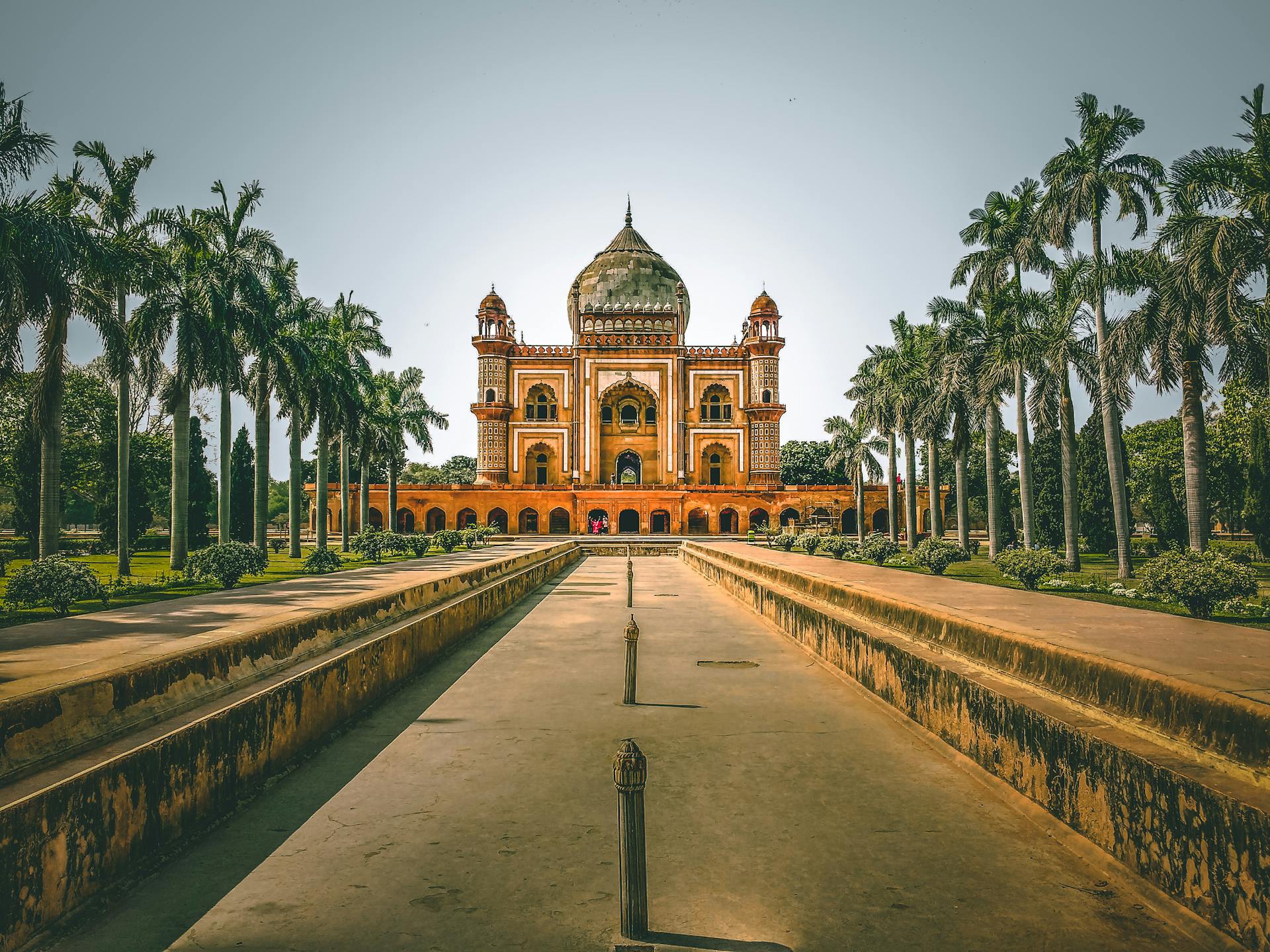
The relationship between Indian cosmological thought and the temples of Angkor is one of the great stories of civilizational transmission. When Jayavarman II declared himself a chakravartin — a universal monarch — on the summit of Phnom Kulen in 802 CE, he was drawing on a concept that had travelled from India centuries earlier through networks of trade, priesthood, and royal patronage.
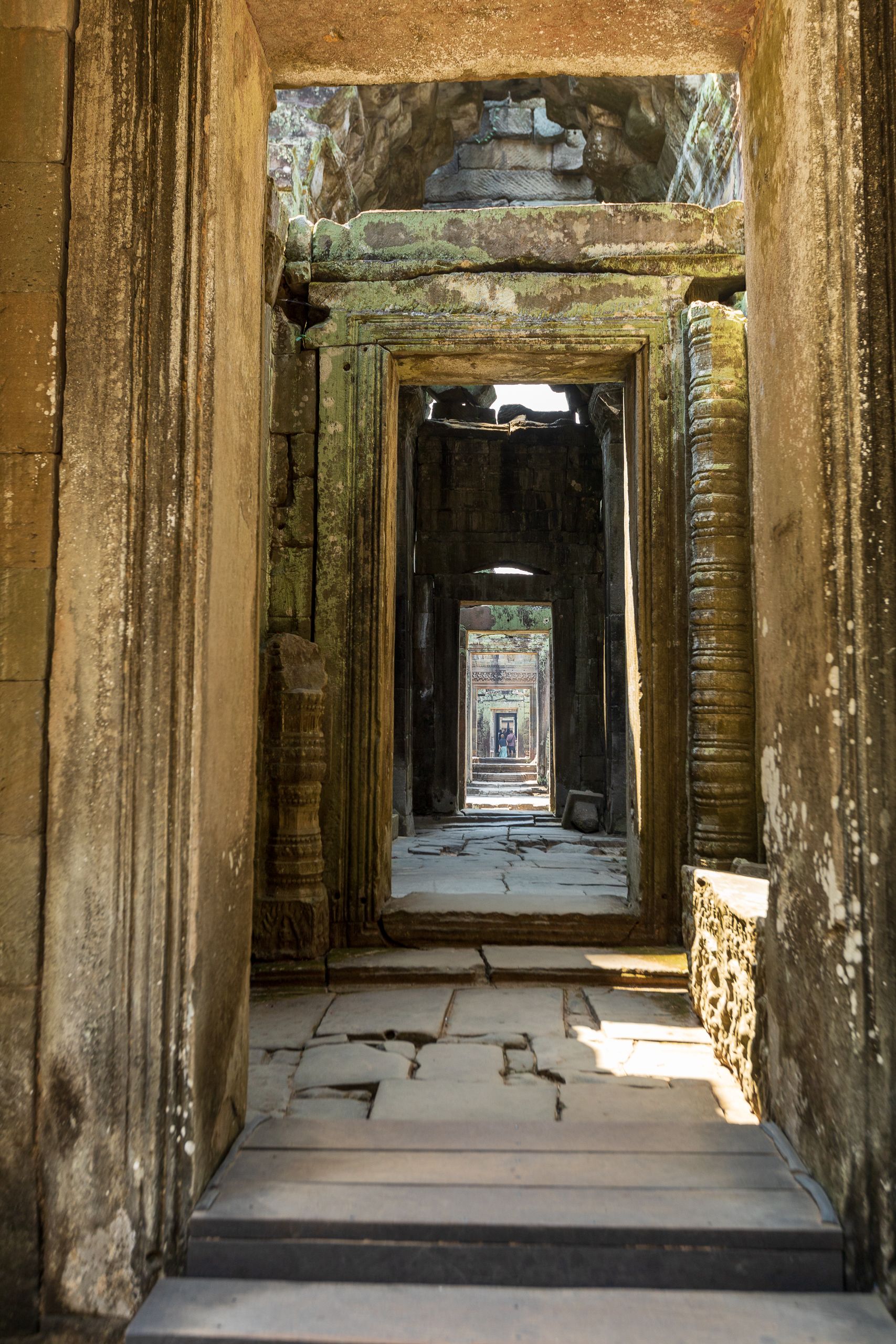
The temples that his successors built over the next four centuries were not simply places of worship. They were representations of Mount Meru, the cosmic mountain at the centre of the Hindu-Buddhist universe. Each temple’s five towers corresponded to the five peaks of Meru; the surrounding moats represented the cosmic ocean. The bas-reliefs depicted scenes from the Mahabharata and Ramayana, epics that had journeyed from the Indian subcontinent to become foundational narratives of Khmer civilisation.
What makes this transmission remarkable is not just that Indian ideas reached Cambodia, but how profoundly they were transformed. The Khmer did not simply copy Indian temple architecture — they reimagined it on a scale that India itself never achieved. Angkor Wat remains the largest religious monument ever built, a testament to how a receiving civilisation can take imported ideas and elevate them beyond anything the source culture had envisioned.
Understanding this process of cultural transmission and transformation is at the heart of what Oreal Passage offers. When you stand before the Churning of the Ocean of Milk at Angkor Wat with one of our scholar-guides, you are not simply looking at ancient stone — you are witnessing the moment when two great civilisations merged to create something entirely new.