Tawang and the Himalayan Buddhist Network
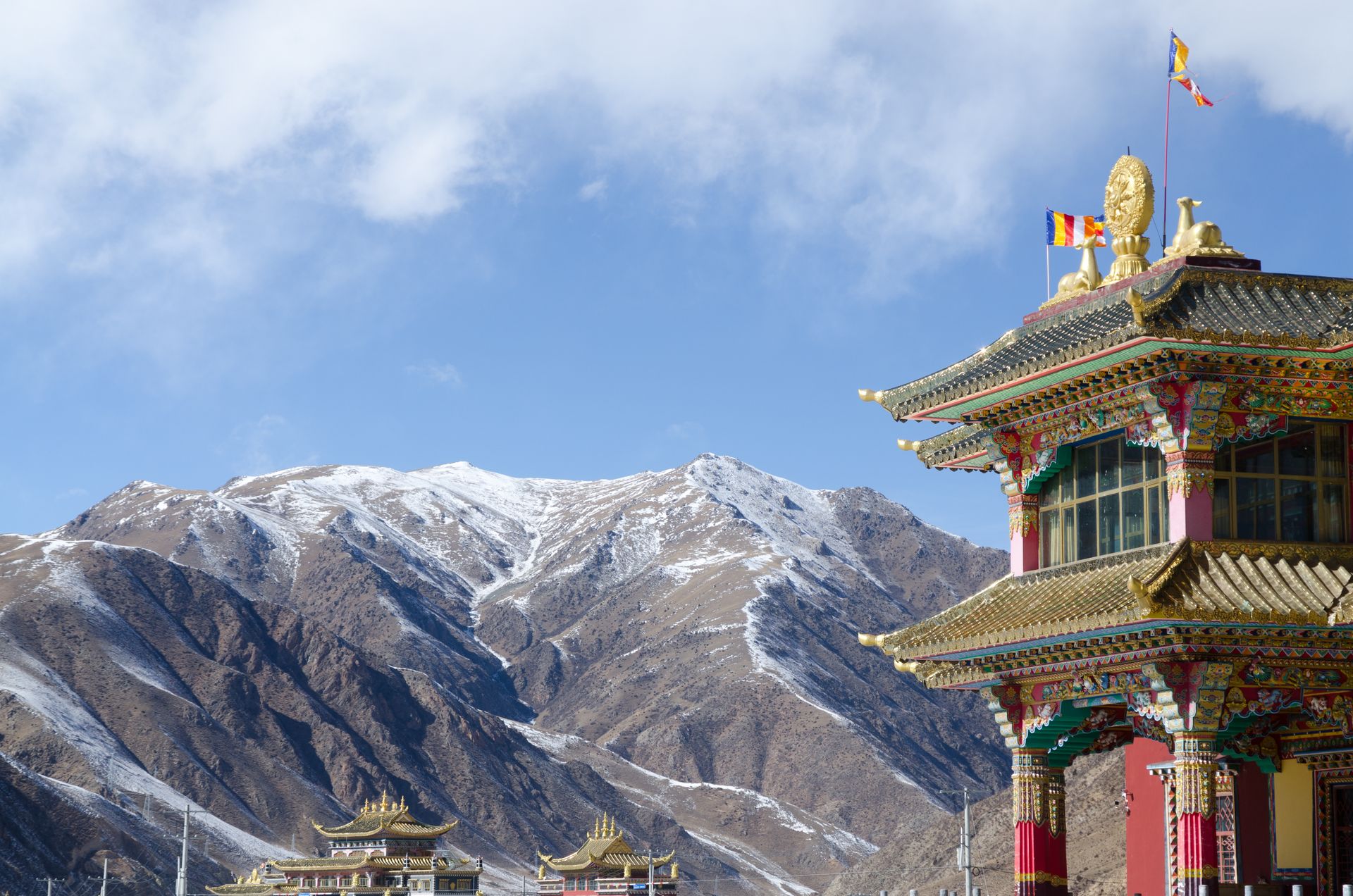
Tawang Monastery, the largest in India and the second-largest in the world after Lhasa’s Potala Palace, sits at the intersection of geography and belief. Founded in the 17th century by Merak Lama Lodre Gyatso in accordance with the wishes of the 5th Dalai Lama, it has served as a centre of Tibetan Buddhist learning and practice for over 350 years. Its location — in the remote Mon region of Arunachal Pradesh, near the border with Tibet — speaks to the vast network of Buddhist monasteries that once connected the Himalayan world.
The monastery’s significance extends beyond its impressive architecture. Tawang is the birthplace of the 6th Dalai Lama, Tsangyang Gyatso, one of the most unconventional and beloved figures in Tibetan Buddhism. His poetry, which spoke of romantic love and worldly beauty alongside spiritual yearning, continues to resonate across the Tibetan Buddhist world. The monastery’s library contains invaluable manuscripts, thangka paintings, and gilded statues that represent centuries of artistic and philosophical achievement.
For the culturally curious traveller, Tawang represents something extraordinary: a living monastery where young monks still follow a rigorous curriculum of study, debate, and meditation little changed from centuries past. The morning prayer ceremonies, the sound of long horns echoing through mountain valleys, the sight of monks in crimson robes against snow-capped peaks — these are not performances for tourists but the daily rhythms of a functioning spiritual community.
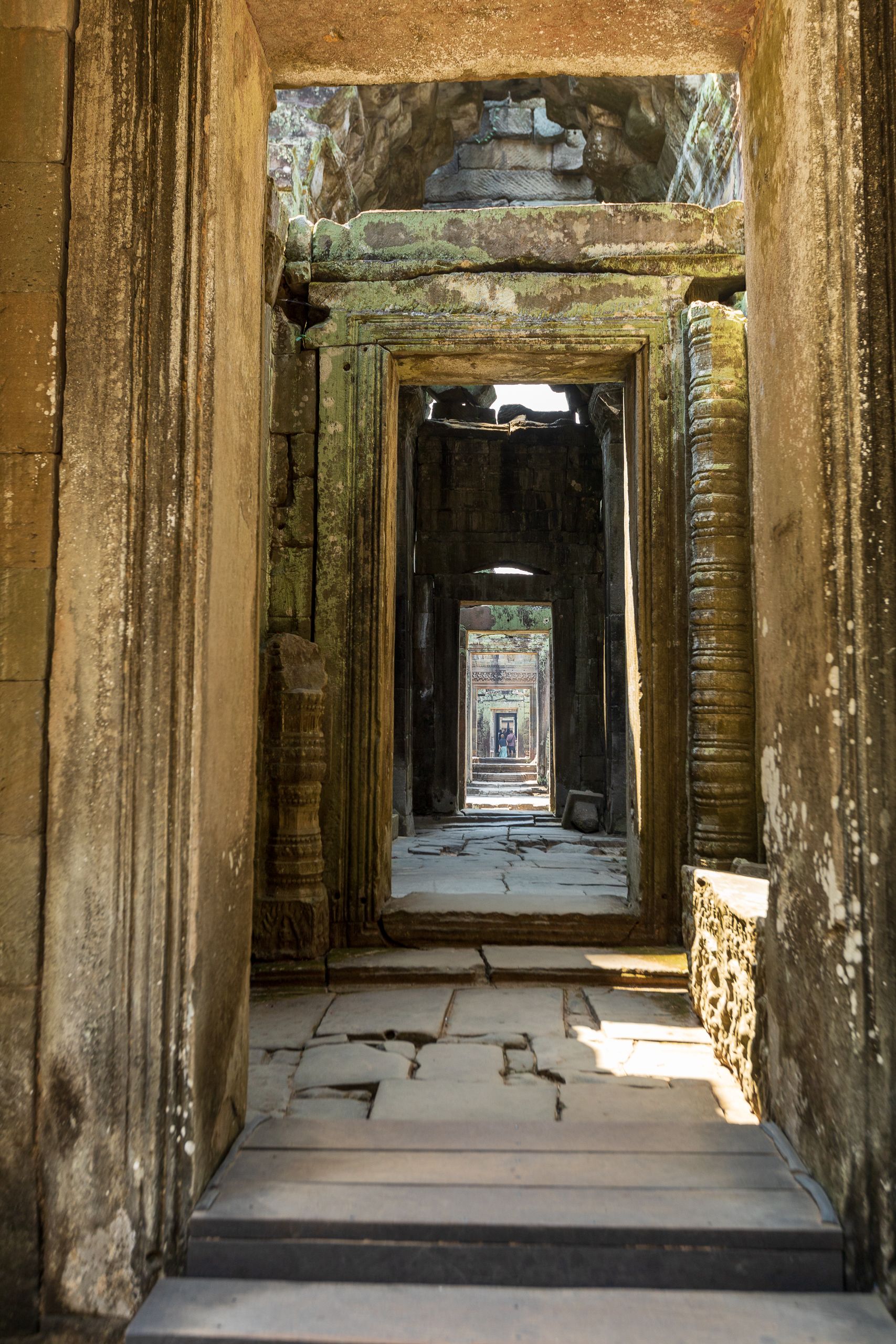
Oreal Passage includes Tawang in our Cambodia-to-India corridor because it represents the Indian end of the Buddhist transmission network. The same philosophical traditions that inspired the Bayon temple at Angkor find their living expression here in the Himalayas. Standing in Tawang’s courtyard, watching monks debate the finer points of Madhyamaka philosophy, you are witnessing a tradition that has shaped civilizations from Tibet to Cambodia.