Kaziranga: Conservation as Culture
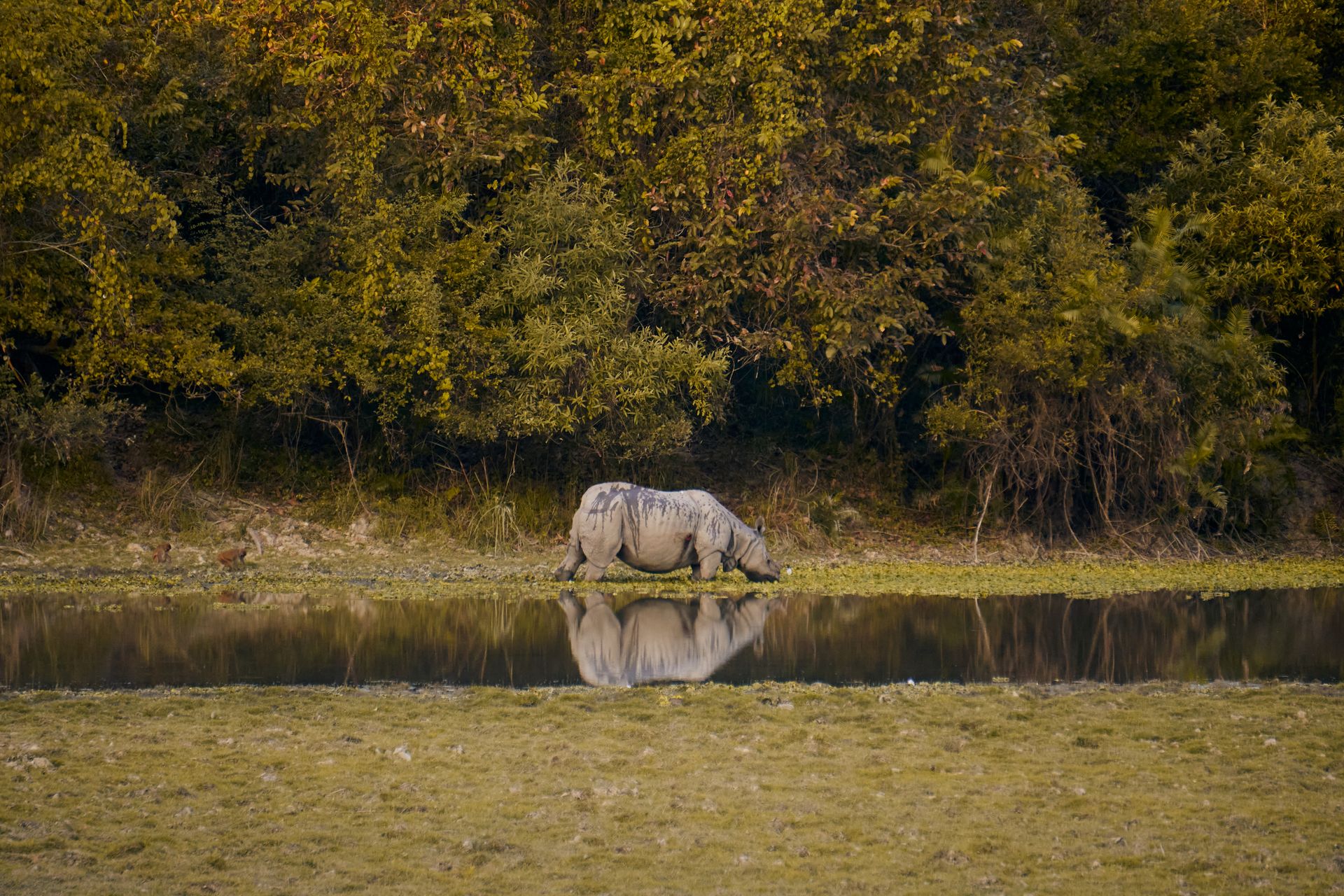
Kaziranga National Park is often celebrated for a remarkable statistic: it is home to two-thirds of the world’s one-horned rhinoceros population. But this number, impressive as it is, only tells part of the story. What makes Kaziranga truly exceptional is the relationship between the park, its wildlife, and the human communities that surround it — a relationship in which conservation has become inseparable from cultural identity.
The communities around Kaziranga, predominantly Assamese and Mishing (a tribe indigenous to the Brahmaputra floodplain), have coexisted with rhinoceroses, elephants, and tigers for centuries. Their traditional land-use practices — seasonal cultivation that accommodates annual flooding, taboos against hunting certain species, a deep spiritual connection to the land — created the conditions that allowed Kaziranga’s wildlife to survive even as similar species vanished elsewhere in Asia.
Modern conservation at Kaziranga builds on this cultural foundation while addressing contemporary threats. Anti-poaching operations, habitat restoration, and corridor maintenance between protected areas are conducted with the involvement of local communities who serve as forest guards, guides, and advocates. The relationship is not without tension — human-wildlife conflict is a real challenge — but it represents a model of conservation that recognises people as part of the ecosystem, not separate from it.
When Oreal Passage brings guests to Kaziranga, we go beyond the standard safari experience. We introduce travellers to community conservation leaders, visit villages where traditional flood-adaptation practices continue, and help guests understand how wildlife protection in this landscape is a cultural achievement as much as an ecological one. Seeing a one-horned rhinoceros in the tall grass is magnificent; understanding the human story that made its survival possible is transformative.